
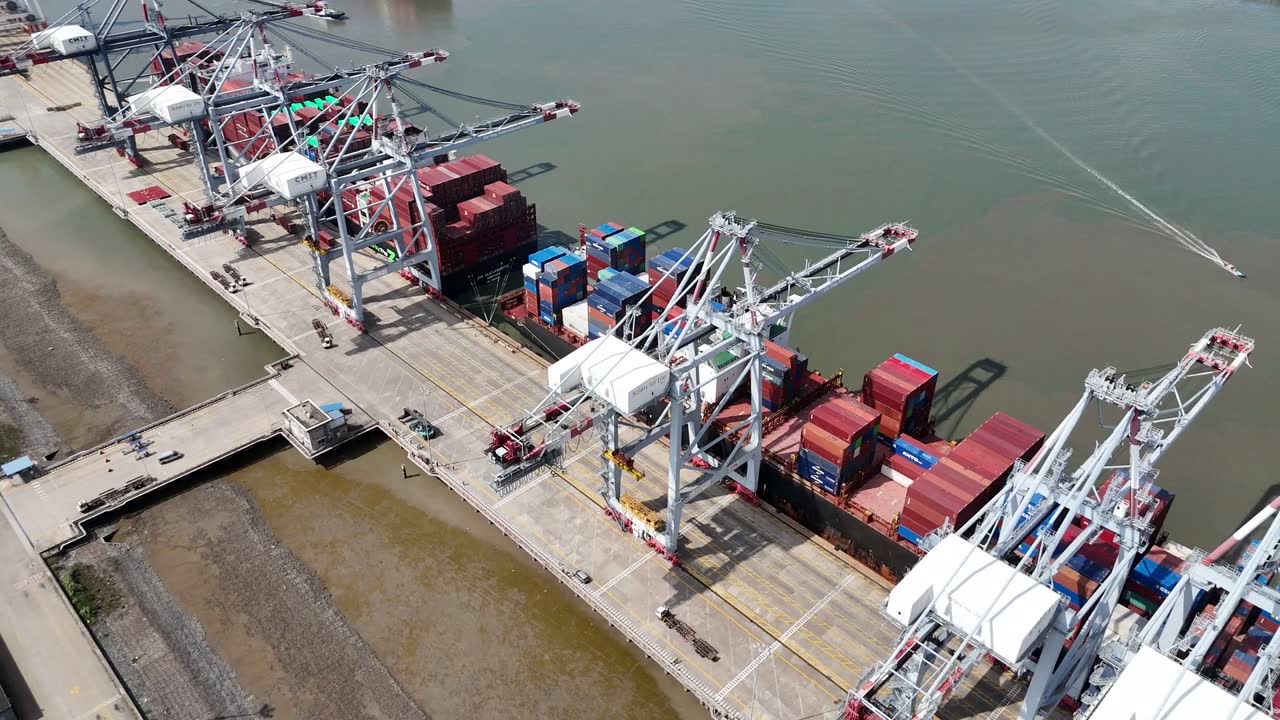
Incoterms are the standard trade terms that divide cost and risk between seller and buyer. They do not set the price of the goods — they set the point where responsibility passes from one side to the other.
Under EXW the buyer collects from the seller's door and arranges everything after it. Under FOB the seller delivers the goods on board the vessel and the buyer takes over freight and insurance. Under CIF the seller pays freight and insurance to the destination port, but risk still passes once the goods are loaded.
DAP and DDP go furthest. With DAP the seller delivers to the named place and the buyer handles import clearance and duties. With DDP the seller takes on clearance and duties as well — which requires a party able to act as importer in Saudi Arabia.
Whichever term you agree, make sure someone is clearly responsible for the import declaration. That is the gap we close.
General information, not legal advice. Requirements change and differ by product.
Have a shipment this applies to?
Request a Quote
Saudi Customs Regulations4 min read
The documents a Saudi import declaration is built on
Most delays at the port start with a document, not with the cargo. Here is what to have ready.
Read the guide
Freight Market3 min read
How to read a freight quotation
The base rate is only one line. What else moves the total, and what to ask before you accept.
Read the guide
Supply Chain3 min read
FCL, LCL or air: choosing how your cargo moves
Volume, urgency and value point to different answers. A short way to decide.
Read the guide